How to Properly Dispose of Junk in Pierce County, WA
Getting rid of junk isn’t always as simple as tossing it in the trash. Different materials have different rules, fees, and disposal locations in Pierce County. This guide explains how to properly dispose of common junk items — and when it makes sense to call a professional.
How to Dispose of Household Junk
Start With a Plan(What are you Actually Getting Rid of?)
Step 1: Identify What Kind of Junk You’re Dealing With
Before you can properly dispose of junk, you need to know what type of material you’re dealing with. Different items have different disposal rules in Pierce County, and sending everything to the dump isn’t always the best—or cheapest—option.
Start by walking through the space and sorting items into basic categories:
Household junk (furniture, mattresses, boxes, general clutter)
Construction or remodeling debris (wood, drywall, concrete, tile)
Yard waste (branches, grass, soil)
Hazardous household materials (paint, chemicals, motor oil)
Recyclables (metal, appliances, electronics)
Donatable items (usable furniture, tools, household goods)
Taking just a few minutes to sort items like this can save you time, money, and unnecessary trips later.
💡 Protip: If you’re unsure which category an item falls into, set it aside for now. We’ll cover exactly where each material goes in the steps below.
If you’d rather skip the sorting and let a professional handle it, this is exactly what we do every day for homeowners and property managers.
Before hauling anything away, create a clear working area so you can see what you’re dealing with.
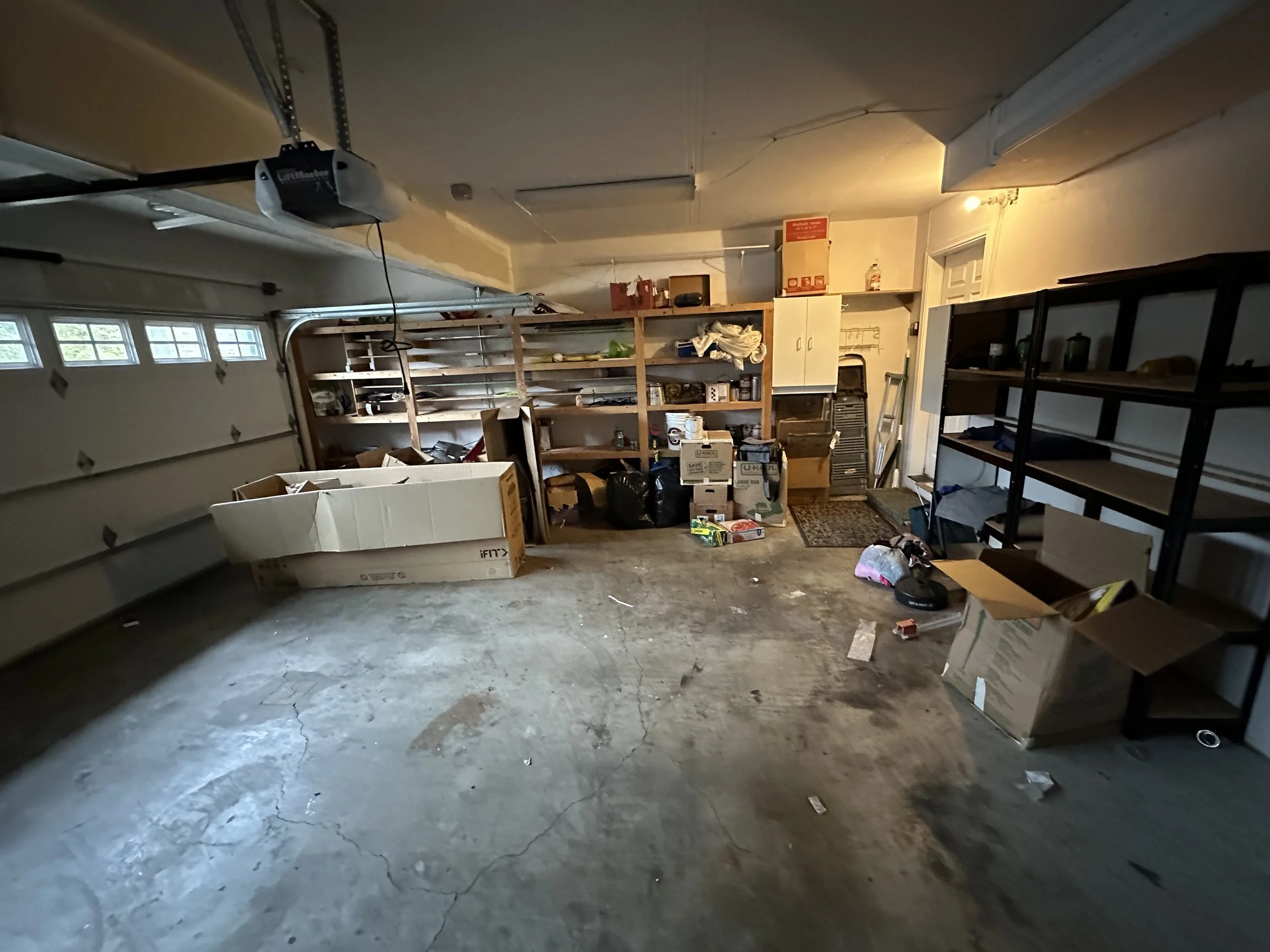
A cleared garage floor makes it easier to sort items for disposal, recycling, or donation.
STEP 3: Take Each Material to the Correct Local Facility
Once you’ve sorted your junk, the next step is knowing where it actually goes. In Pierce County and surrounding Counties, different materials have different drop-off locations, rules, fees, and schedules. Here are the facilities we use regularly—and what they’re best for.
🏭 Household Junk & Hazardous Waste
LRI – Hidden Valley Transfer Center
17925 Meridian E, Puyallup, WA 98375
Household garbage and general junk
Yard waste free up to 1 ton (over = ~$100/ton)
Hazardous household waste (paint, oil, coolant, cleaning chemicals)
Tuesdays & Thursdays
8–12 PM and 1–5 PM
Up to 35 gallons total per trip
Used motor oil: up to 5 gallons any day
💡 PRO TIP: Hazardous waste rules change seasonally—always check hours before loading up.
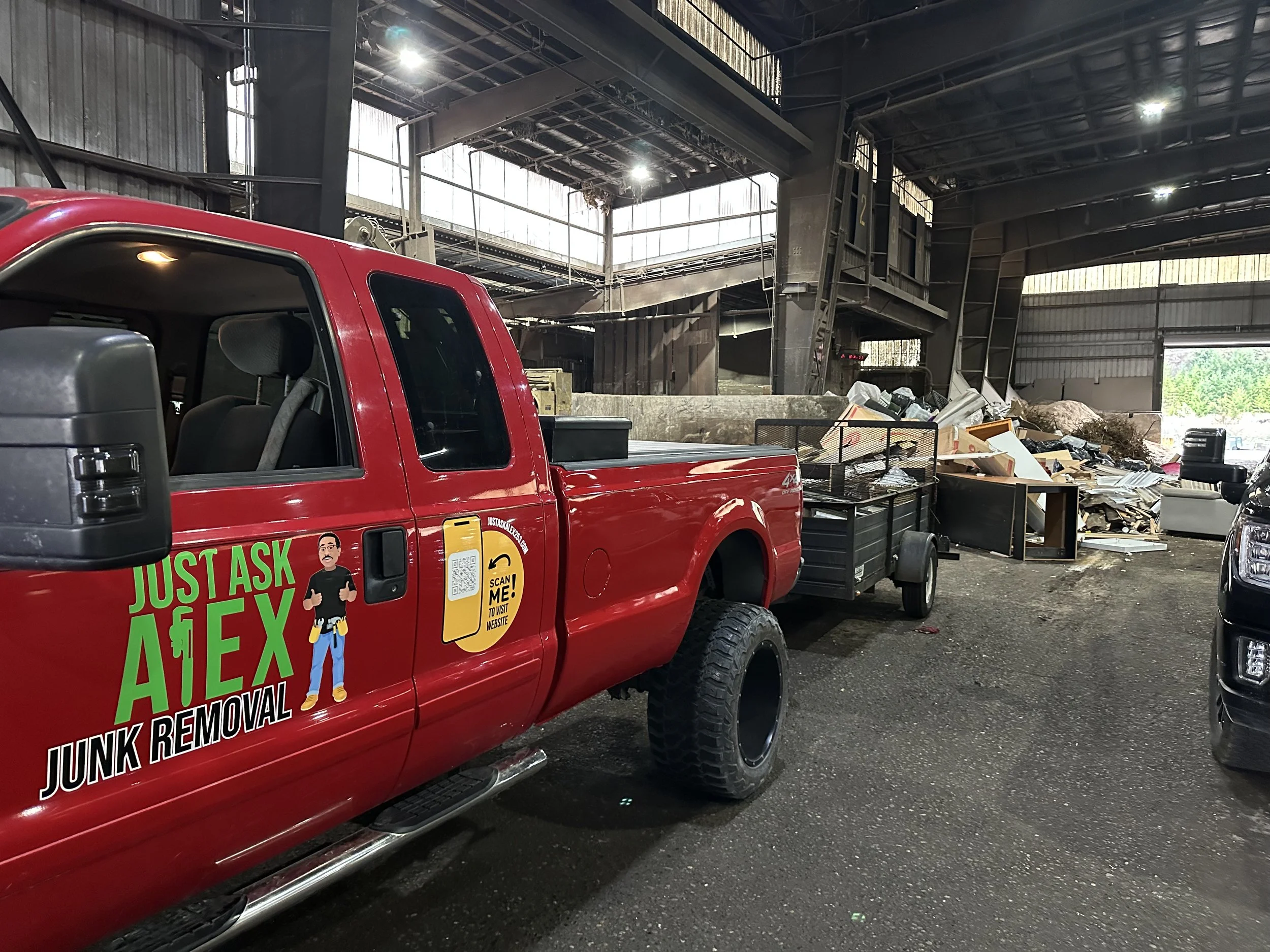
Our truck and trailer unloading sorted household junk after hazardous waste drop-off at the LRI Hidden Valley Transfer Center in Puyallup, WA.
🧱 Concrete & Clean Construction Debris
Randles Sand & Gravel
5802 192nd St E, Puyallup, WA 98374
Clean & dirty(slightly more cost) concrete recycling
$25 per ton
$25 minimum charge
Great option for:
Driveway tear-outs
Patio and slab demo
Broken concrete from remodels
💡 Pro Tip: Concrete Is Much Cheaper to Recycle Than Dump
If you take concrete to a standard transfer station, you’ll pay landfill rates.
At LRI Transfer Center, concrete disposal costs about $191.65 per ton.At Randles Sand & Gravel, clean concrete is recycled for a minimum charge of $25 per ton.
Knowing where to take heavy materials like concrete can save hundreds of dollars on a single load.
💡Concrete Disposal Tip (Pierce County)
Many people don’t realize that taking concrete to the landfill is one of the most expensive options.
Randles Sand & Gravel: $25 per ton (minimum charge)
LRI Transfer Center: ~$191.65 per ton
If your load is clean concrete, recycling it can save you hundreds of dollars compared to dumping it as mixed waste.
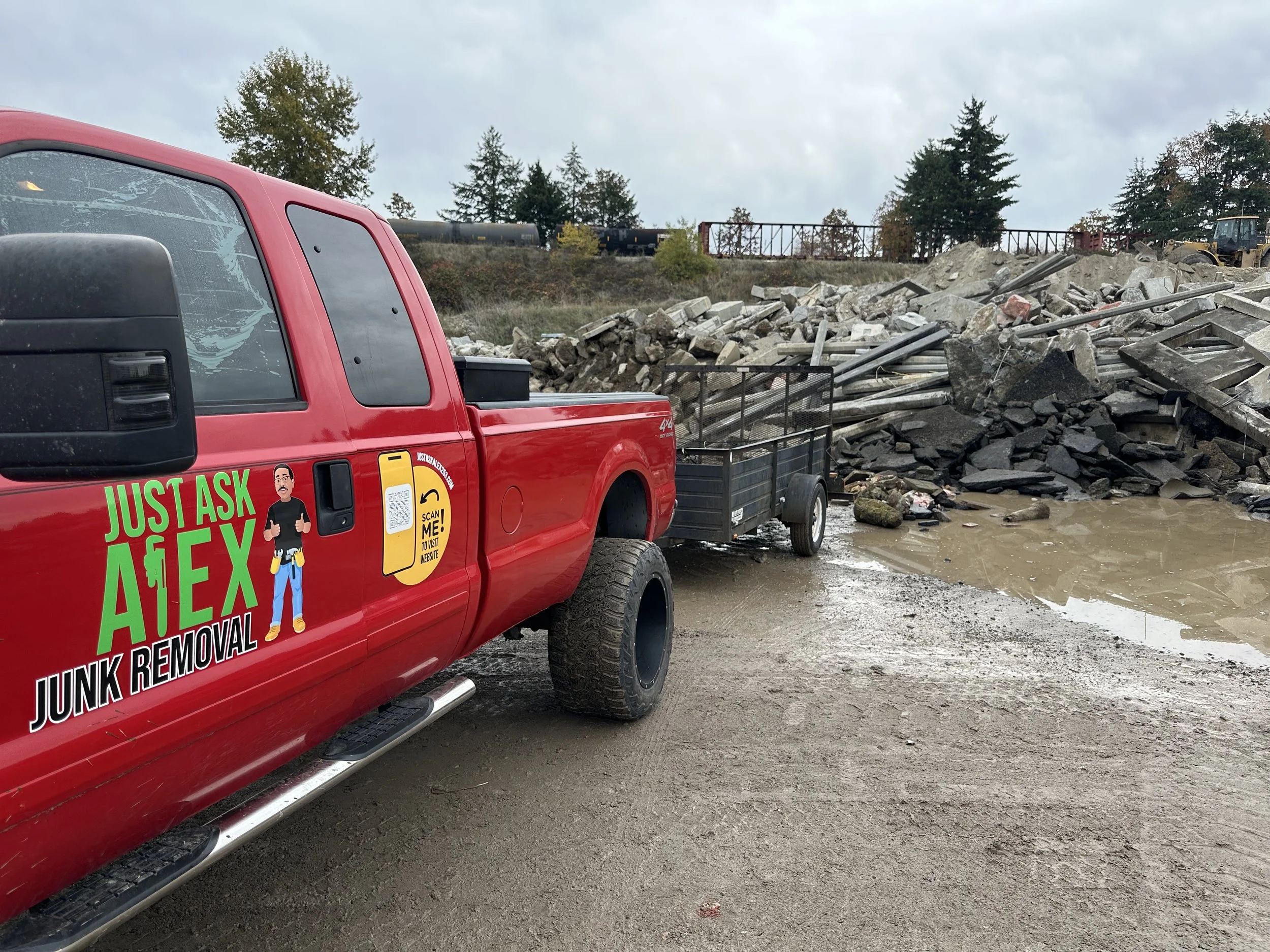
Concrete recycling drop-off at Randles Sand & Gravel in Puyallup, WA — an affordable alternative to the landfill for clean concrete loads.
🔩 Metal, Appliances & Construction Recycling
Recycling Resources
5317 131st St Ct E, Tacoma, WA 98446
Pays for mixed metal (~$0.04/lb)
Construction debris accepted (~$0.10/lb)
Appliances:
AC units ~ $10
Refrigerators/freezers ~ $50
Much cheaper than standard transfer stations
💡Pro tip: Appliance disposal costs vary wildly—this location can save serious money.
💡 Cost-Saving Tip: Many materials that cost full landfill rates at the dump can be recycled here for a fraction of the price — or even free — especially metals, appliances, and construction debris.
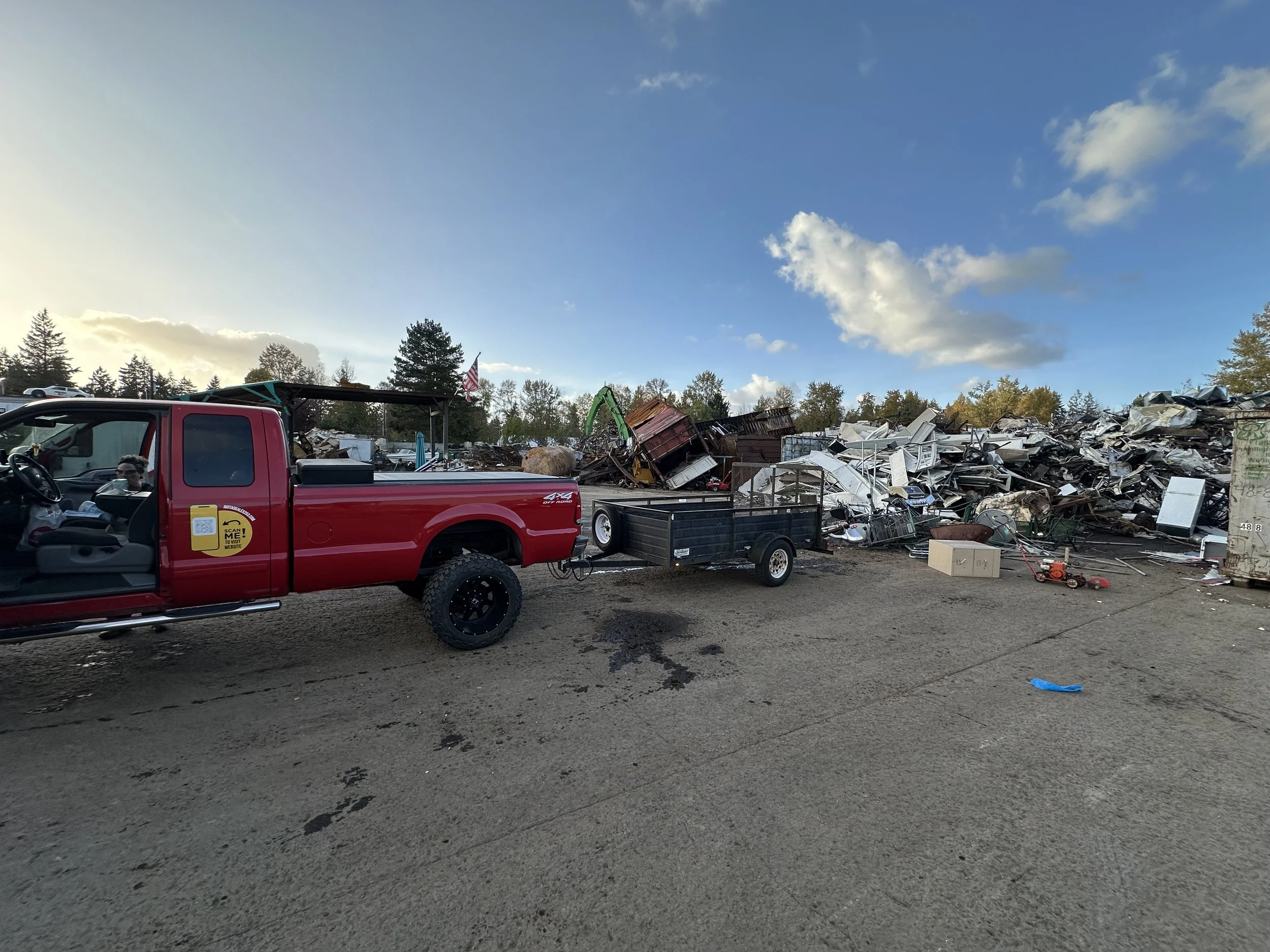
Our truck and trailer unloading mixed metal and construction debris at Recycling Resources in Tacoma — a lower-cost alternative to the dump for recyclable materials.
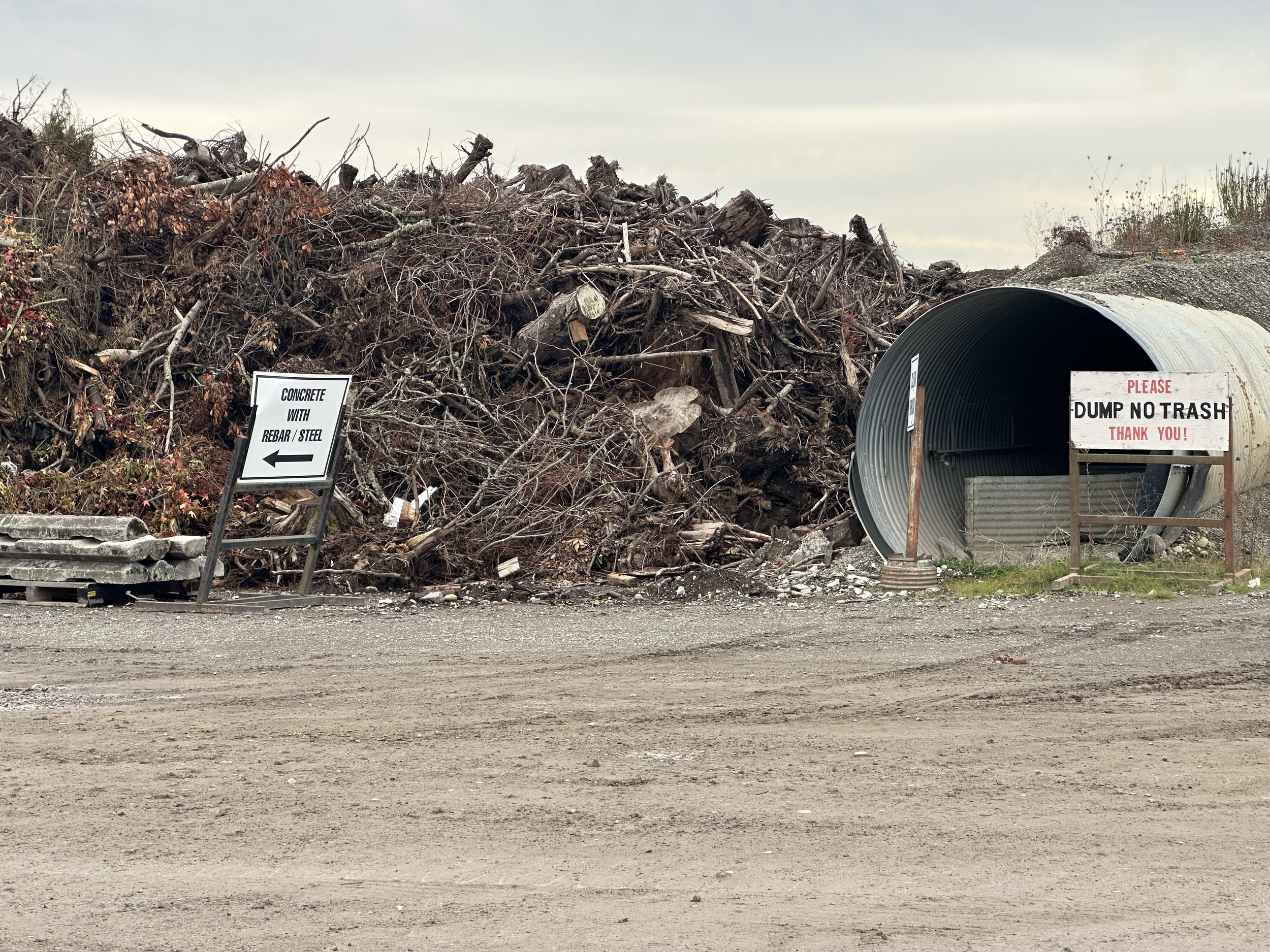
Randles Sand & Gravel accepts clean & dirty concrete for recycling at a flat minimum rate, helping keep reusable material out of the landfill.
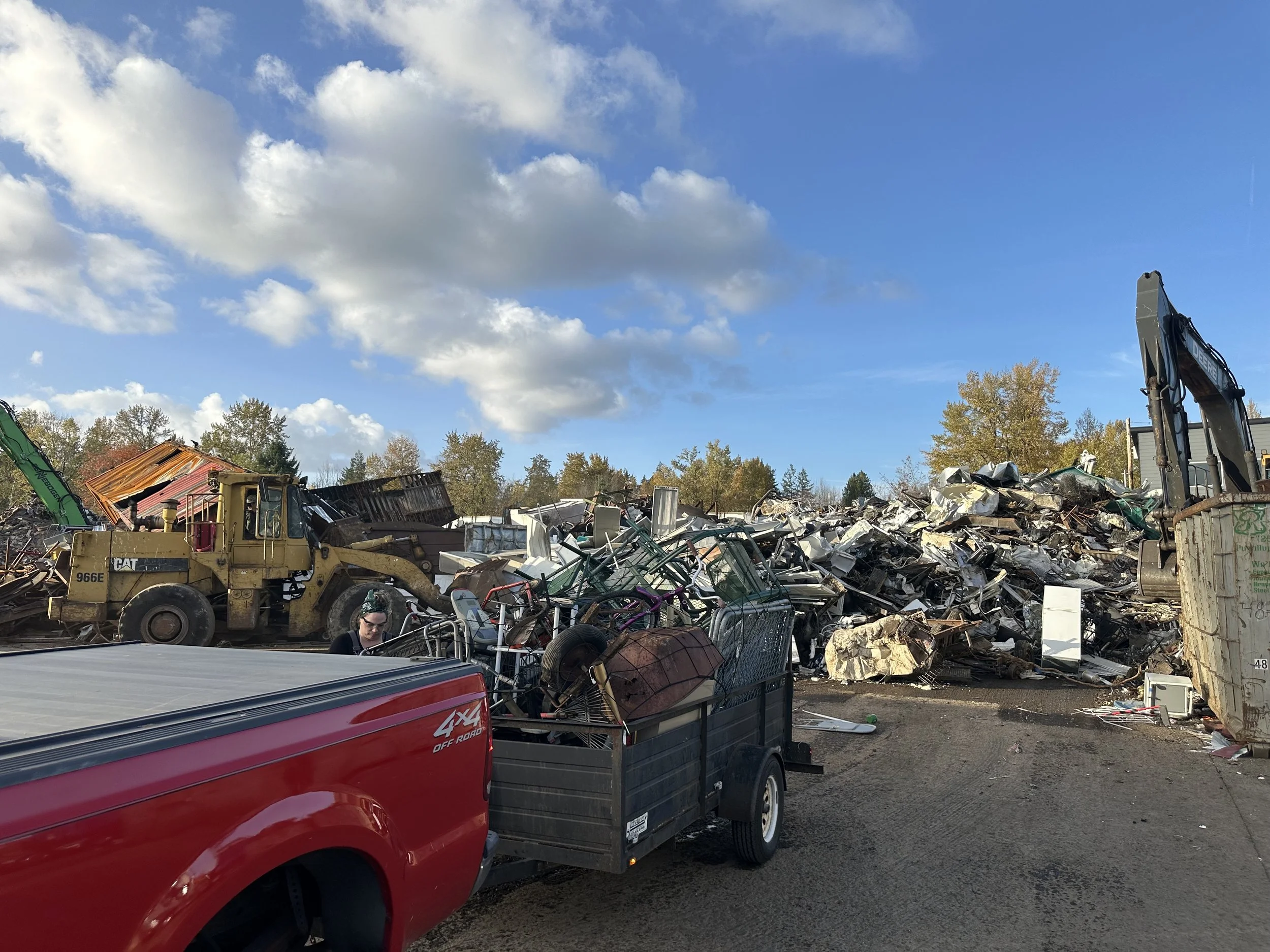
Recyclable construction materials and mixed metal sorted at Recycling Resources, helping keep reusable materials out of the landfill.
🚚 Jobs North of Pierce County
Bow Lake Transfer Station
18800 Orillia Rd S, Seattle, WA 98188
Open 24 hours
Garbage, recycling, food waste
Mattress drop-off
Oil and specialty recycling
Ideal for:
Seattle / South King County jobs
Late-night or early-morning disposal
Large multi-material loads
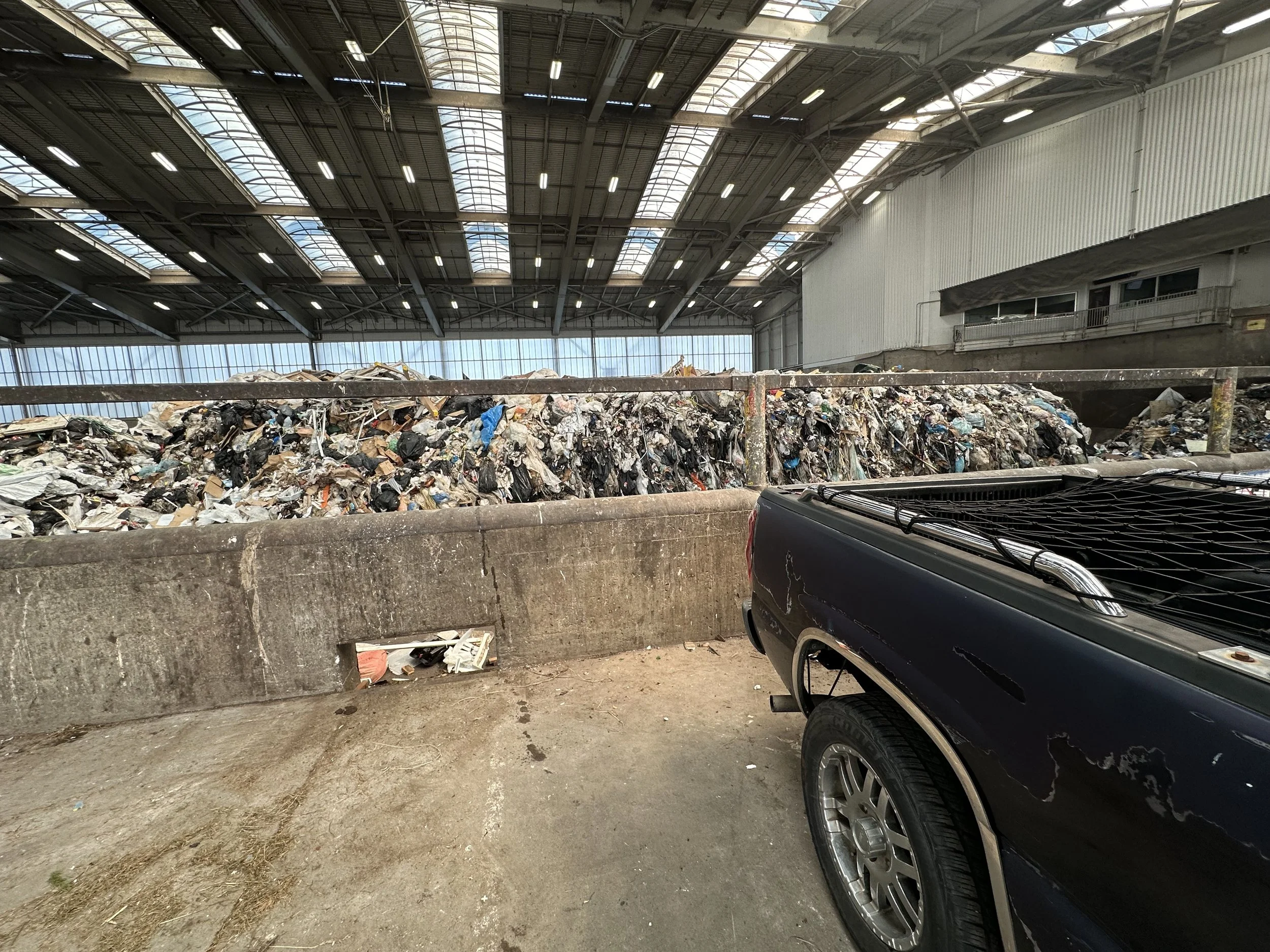
Bow Lake Transfer Station is a common disposal site for junk removal jobs in Seattle and North King County, offering recycling, mattress drop-off, and other specialty waste options.
💡 PRO TIP: The Bow Lake Transfer Station is open 24 hours, making it a great option for late-night or early-morning jobs—especially when working in King County or dealing with tight timelines.
💡 PRO TIP: If sorting, hauling, and coordinating multiple drop-offs sounds overwhelming, this is exactly what we handle every day for homeowners, real estate agents, and property managers.
STEP 2: DECIDE WHERE EACH TYPE OF JUNK SHOULD GO
Once your items are sorted, the next step is knowing where each material actually belongs. In Pierce County, different materials go to different facilities, and sending everything to the dump can cost you more than necessary.
Here’s a simple breakdown.
Household Junk & General Trash
Examples:
Broken furniture
Mattresses
General clutter
Non-recyclable items
Most household junk can be taken to a local transfer station, where fees are based on load size and material type.
📍 Pro tip: Mixing heavy materials (like concrete) with household junk can increase your disposal cost.
Construction & Remodeling Debris
Examples:
Wood
Drywall
Tile
Concrete
Construction debris is often accepted at transfer stations, but concrete and masonry should be separated whenever possible.
✔️ Clean concrete can often be recycled
❌ Mixed loads usually cost more
If you’re doing a remodel, separating materials upfront can save you time and money.
Yard Waste
Examples:
Branches
Grass
Soil
Leaves
Yard waste should be taken to approved yard waste or compost facilities, not dumped with household trash. Most yard waste facilities will recycle yard waste for free, up to a certain weight. A couple things I have found out on the job, is that it’s free up to one ton. it is not free, if it’s noxious weeds(Ivy, bamboo, etc. Check your local facility rules).
Keeping yard debris separate helps:
Reduce landfill waste
Lower disposal fees
Speed up unloading
Hazardous Household Materials
Examples:
Paint
Motor oil
Household chemicals
Automotive fluids
These should NOT go to the dump.
In Pierce County, certain facilities accept hazardous household waste on specific days and times, often at no cost for residents.
⚠️ Always check schedules and rules before showing up — policies can change.
Recyclables
Examples:
Scrap metal
Appliances
Many recyclable items can be diverted from the landfill entirely.
Scrap metal, appliances, and e-waste often have separate drop-off locations.Separating recyclables:
Reduces disposal costs
Keeps usable materials out of landfills
Supports local recycling programs
Donatable Items
Examples:
Usable furniture
Tools
Household goods
If an item is still in good condition, donation is often the best option.
✔️ Helps others
✔️ Keeps items out of the landfill
✔️ Saves disposal fees💡 PRO TIP: If you’re unsure where an item goes, set it aside. Many people end up making multiple trips because they didn’t separate materials properly the first time.
When It Makes Sense to Call a Professional
If your load includes multiple material types, heavy items, or restricted waste, handling disposal yourself can quickly become time-consuming and expensive.
This is where a professional junk removal service can:
Sort materials correctly
Use the right facilities
Handle heavy lifting
Save you multiple trips-Many times, what you have is way more than what you expect to dump.
💡 When it makes sense to hire a professional
If you’re only getting rid of a few items and have the time to make multiple trips, handling disposal yourself can absolutely make sense.
However, hiring a professional junk removal service is often the better option when:
You’re dealing with multiple material types (junk, concrete, metal, hazardous waste)
The job requires several trips to different facilities
You’re on a tight timeline (move-out, listing a home, cleanup deadline)
Heavy items like concrete, appliances, or construction debris are involved
You want to avoid overpaying disposal fees or navigating changing facility rules
This is exactly what we help homeowners, property managers, and real estate agents with every day — sorting, hauling, and disposing of materials the right way, in the most cost-effective manner.
Sorting junk, hauling heavy materials, and coordinating multiple disposal facilities can get complicated fast — especially with changing rules and fees.
If you’d rather skip the guesswork and avoid overpaying at the wrong facility, this is exactly what we help homeowners, real estate agents, and property managers with every day.